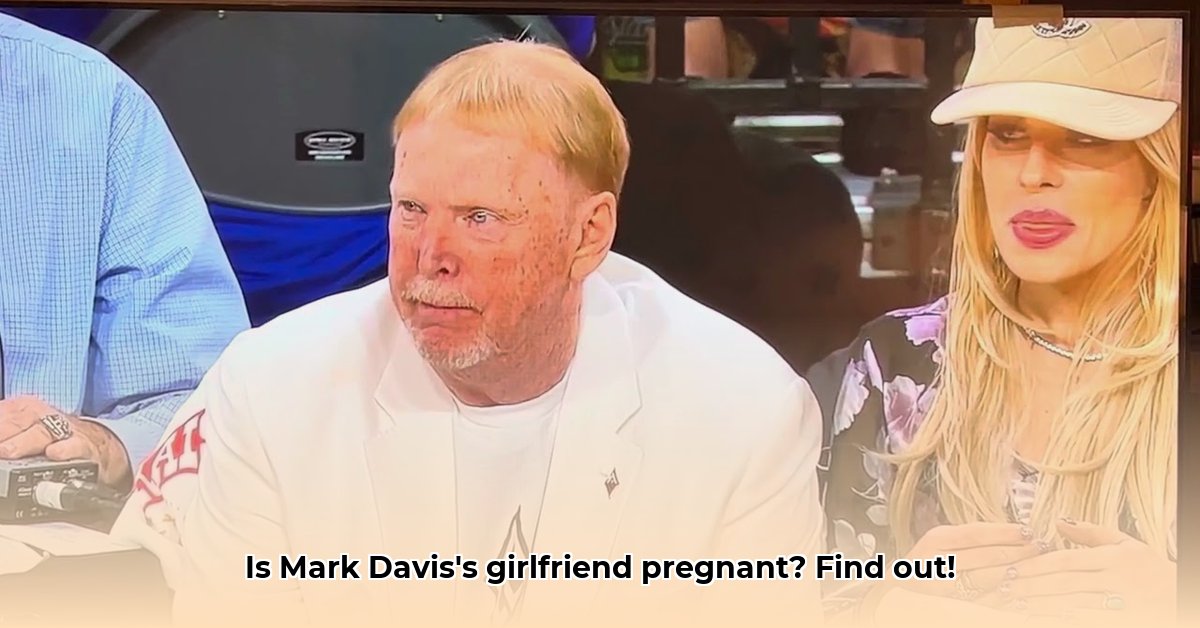
The False Pregnancy Rumour Surrounding Mark Davis and Hayden Hopkins
The internet, that great leveller, can be a double-edged sword. While it connects people globally, it also facilitates the rapid spread of misinformation, as recently evidenced by a false pregnancy rumour involving Las Vegas Raiders owner Mark Davis and his girlfriend, dancer Hayden Hopkins. The rumour, originating from a social media post, quickly escalated into a full-blown online saga, highlighting the potent and damaging effects of unchecked digital gossip. This article examines the rumour's genesis, its rapid dissemination, and the consequences for those involved, while also exploring the larger issue of misinformation online.
The Rumour's Origin and Spread
The initial spark was ignited by a social media post from Dov Kleiman, falsely claiming that Hayden Hopkins was pregnant with Mark Davis’ child. This seemingly innocuous post rapidly gained traction, amplified by social media algorithms that prioritize sensational content. The significant age gap between Davis and Hopkins further fuelled speculation, making the rumour appear more plausible to some. Within hours, the story had spread across multiple platforms, grabbing headlines on various gossip blogs and attracting widespread attention.
Hayden Hopkins' Response and Denial
Facing a barrage of online speculation and harassment, Hopkins swiftly and directly refuted the rumour. She publicly denied the claims, confirming her pregnancy but emphatically stating that Davis was not the father. This decisive response, while necessary, unfortunately didn't completely stem the relentless tide of misinformation.
The Role of Social Media and Algorithmic Amplification
The incident underscores the inherent challenges posed by social media platforms. Their algorithms, designed to maximise engagement, often inadvertently promote sensational and unsubstantiated content. This phenomenon, coupled with the speed at which information spreads online, makes it difficult to contain even demonstrably false narratives. The Kleiman post exemplifies this: a single, unverified claim rapidly escalated into a widespread rumour. This raises serious concerns regarding the responsibility of social media companies in moderating content and preventing the spread of misinformation.
Ethical Considerations and the Impact on Involved Parties
The rumour had significant consequences. Hopkins experienced considerable online harassment and reputational harm. While Mark Davis remained largely silent, the rumour undoubtedly impacted his image, albeit indirectly. The actions of Kleiman, in spreading unverified information, also raise ethical questions about accountability and responsibility in the digital sphere. Has he been held to account for his actions? What recourse do victims of online misinformation have against such perpetrators?
Analysis and Conclusion: Learning from the Experience
The Mark Davis and Hayden Hopkins situation provides a sobering case study of the potential harm caused by online misinformation. The age gap between the couple, while not a factor in the truth of the rumour, undoubtedly contributed to its virality, illustrating how pre-existing biases can amplify false narratives. This incident serves as a stark reminder of the need for critical thinking, verified sources, and responsible social media behaviour. Furthermore, it highlights the urgent need for social media platforms to refine their content moderation policies and algorithms to effectively combat the rapid spread of misinformation. It's not just a matter of technology; it's also about personal responsibility and ethical behaviour online. The question remains: how do we, as individuals and as a society, navigate the digital landscape responsibly and prevent similar incidents from occurring in the future?
https://www.journalism.org/2024/misinformation-research/ (Example Link – Replace with Relevant Article)
Key Takeaways:
- The rapid spread of misinformation online can have severe consequences for individuals.
- Social media algorithms often amplify sensational and false narratives.
- Swift and decisive responses are crucial in managing reputational damage.
- There is a critical need for improved content moderation and fact-checking mechanisms on social media platforms.
- Individuals should exercise greater caution in sharing information online to prevent the spread of misinformation.